

Why Could Simple Email List Segments Finally Win Back Silent Readers?
Partway into my years in family medicine, I figured out something that had nothing to do with blood pressure or lab results. It was not about the diagnosis. It was about finding out what the patient in front of me wanted, and helping them get there.
I carry that lesson into my online teaching and publishing work, and it shows up clearest in something as ordinary as email. Most of us build one list and send it one message. That is like handing every patient the same chart note no matter what brought them through the door. Email list segments fix that, and they do it without the extra hours you might expect.
If your replies have been drying up while you keep writing more, this is probably why. The fix is not a bigger list. It is a clearer picture of the people already on the one you have.
Start With Two Simple Groups
You do not need software built for a hospital system to begin. You need two lists instead of one, the first step toward real email list segments.
Put everyone who has never bought anything from you in one group. Put everyone who has bought something, anything, in the other. When someone moves from the first group into the second, move their name too.
That one habit changes what you write. A person who has not bought yet needs a reason to trust you. A person who already has needs to feel looked after, not sold to all over again.
Think about how it feels to get a coupon for something you bought last week. It reads as careless. Your buyers notice that same carelessness the moment you pitch them a product already sitting on their own shelf.
Two lists will not tell you everything. But they stop the most common mistake on their own, and that is worth doing before anything fancier.
Let Your Readers Sort Themselves
Here is the part of this I wish I had understood sooner: do not make your idea be their idea. Ask them.
Add a short question to the page where people join your list. A few checkboxes is enough. Someone starting an online business for the first time wants different help than someone who has tried twice already. That person is wary of being burned again.
You can read more about building that kind of page in other articles I have shared recently. But the short version is this: a question on your sign-up page is not extra friction. It is market research you get for free.
When someone checks a box, they are telling you, in their own words, what kept them up last night. One subscriber tells you I have tried something like this before, but I have always failed. Another tells you they feel like they are on a ride they cannot get off. Both are gold, and neither needed a survey to collect.
Once you have those answers, you are no longer guessing which email to send. You are answering a question someone already asked you directly.
Write To One Reader, Not A Room
Once you know which group someone belongs to, say so in the first line.
A message that names the reader gets read. A message that speaks to everybody gets skimmed by nobody.
Say part of your list is made up of people who feel like they started too late. Speak straight to that. Tell them plainly that picking this up now does not put them behind.
The reader who expected to feel invisible instead feels like you were writing only to them. That is a small change in wording and a large change in how your email lands in a crowded inbox.
This also protects you from a quieter mistake. It stops you writing to the version of your reader who exists in your head rather than the one really on your list. Their own words, used back to them, keep you honest about who is really reading.
The Group Nobody Thinks To Build
Most people stop at prospects and buyers. There is a third group worth building, and it is the one easiest to overlook. These are people who bought the smaller thing and are ready for the next one.
Someone who bought your entry-level report is not the same as someone who has not bought anything. They are not quite the same as someone who already owns everything you offer, either. They sit in between, and that in-between spot deserves its own message.
This is also where you stop repeating yourself without meaning to. If half your buyers already own something, you no longer need to keep mentioning it to all of them. The list feels more considered, because it is.
None of this needs to be complicated. A single extra group, built once, keeps paying you back every time you send something new, and that is what good email list segments do over time.
Let eShowcase Do The Repeating
None of this holds together if you have to remember which group gets which note every single week. That is where automation earns its keep.
I use eShowcase to hold my own list and host the pages people sign up through. It also sends the follow-up emails and texts without me sitting at a keyboard every morning. It has become something close to a second set of hands in the business, the part that never forgets which group is which.
You do not need that particular tool. You need something that remembers your groups so you do not have to. It sends the right note to the right group on a schedule you are not managing by hand.
Once the remembering is handled for you, the only work left is deciding what each group needs to hear. That is the part worth your attention anyway.
What A Segmented List Buys You
A segmented list does not look dramatic from the outside. Nobody notices tidy internal groups.
What they notice is that your emails suddenly seem to know what they need. A subscriber who checked the box marked starting from scratch gets different help than one who checked tried before and got burned. Both keep opening, because both finally feel understood.
That is the whole point of any of this, in a clinic or in an inbox. Find out what the person in front of you wants, figure out where they are stuck, and get to the unsticking of them.
The list is just where that happens now.
I am still learning which groups matter most on my own list, and I expect that will keep changing. Start with two groups this week. Watch what each one tells you. The unsticking gets easier once you know who you are really talking to.
All the best, Jon
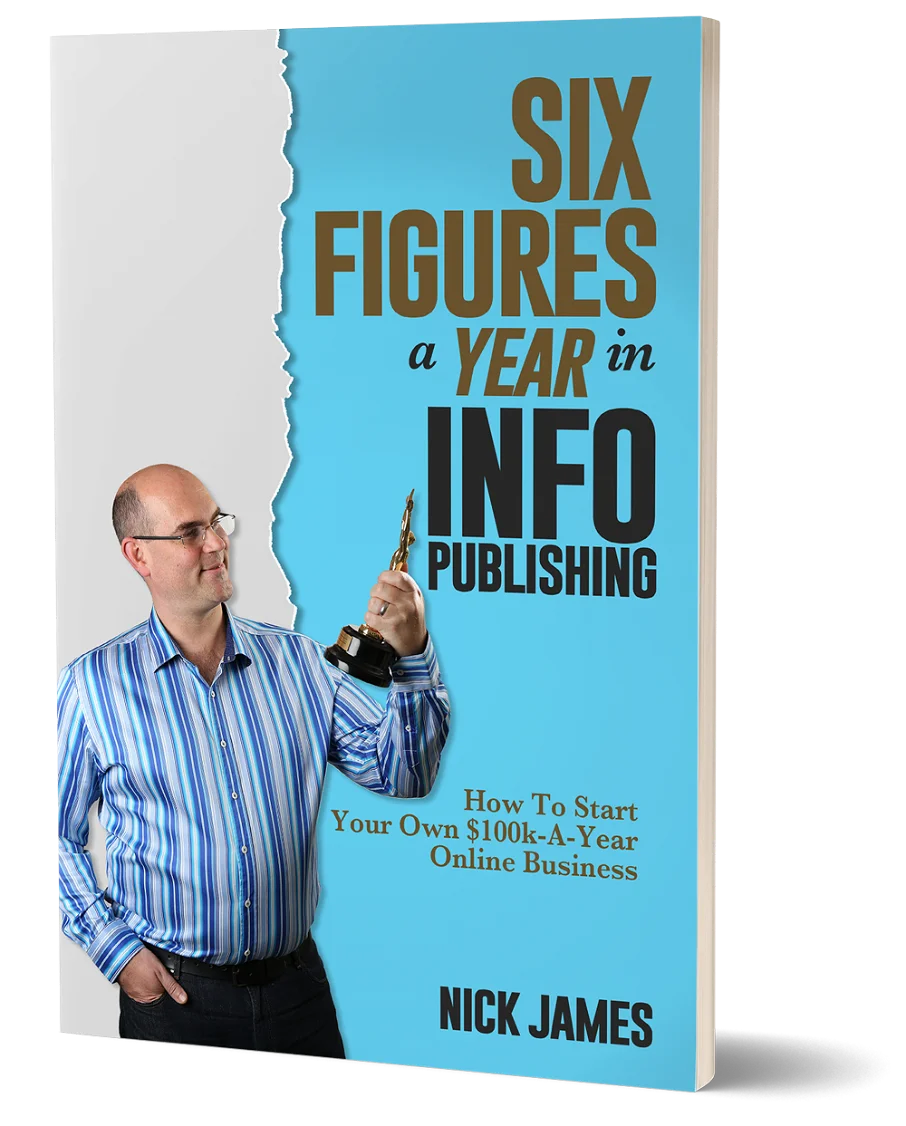
Author offers a FREE copy of this book to his next door neighbor... to prove he's not a drug dealer!
Now claim your FREE COPY.
and follow the step-by-step instructions for making the kind of money (and living the kind of lifestyle) that'll get your neighbors curtains twitching with curiosity!
Enter your details below to discover how to claim your FREE COPY of 'Six Figures A Year In Info Publishing' ...
Privacy Policy : We value your privacy. You can unsubscribe from receiving future emails with 1 click at any time.