



It is nine at night and the house has finally gone quiet. You open the laptop to work on the business you have been building on the side, and thirty things are staring back at you. An email that needs a reply tonight. A half finished project from last week. A notification buzzing on the counter.
None of those is the one task that would actually move your online business forward tomorrow. You know it. You open the easy ones anyway, because they feel like progress, and by the time you close the laptop, the thing that mattered most is sitting exactly where you left it.
If you have ever thought, “At work, I’m asked to do more and more each year, but I am keeping less and less of my paycheck,” you already know the feeling. You spend a whole evening working and have nothing real to show for it afterward. This is not a willpower problem. It is a ranking problem, and ranking your tasks the right way changes which ones actually get your best hours.
Why a List Cannot Rank Itself
A to-do list is just a pile. Nothing written on a plain list tells you which line deserves the next hour of your evening. Notification badges do not know what matters to you. Neither does your inbox. Both are built to feel urgent whether or not they are, and a plain list cannot tell the difference either.
Most people solve this the same way. They work top to bottom, or they grab whatever feels easiest, or they answer whatever notification arrived last.
None of those is a real system. Each one hands your best hours to whatever shouted loudest, not to whatever actually mattered most. Ranking your tasks instead of just listing them is what finally decides which one deserves the next hour.
Nick James, who has spent years studying how people actually get through a working day, built a plain six-rank order to fix exactly this. Rather than reaching for a longer list or a stricter alarm clock, he sorts every task through the same six questions. He does this before he touches a single one. I find his thinking here worth sharing. It maps almost exactly onto the question I hear from readers who are still clocking in somewhere else while they try to build this: how do I protect the hours that matter when everything else is grabbing for my attention too?
The Three Ranks That Come First
Critical tasks come first. These carry a real deadline and a real consequence if you miss it: a client call already on the calendar, a payment due today.
Helpful tasks come second. These are the small number of activities that actually produce most of your results, the thing that grows your business rather than the thing that tidies it.
Objective tasks come third. These finish something already close to the line. A nearly done project can start paying you. A half finished one never does.
Rank the list before you start working through it, and the wrong tasks stop winning by default.
The Three That Come After
Opportunistic tasks come fourth. These can only happen when someone else becomes available, so you slot them in the moment the door opens.
Scheduled tasks come fifth. Not urgent today, but tied to a bigger project with a real date ahead, and a little steady progress now keeps that date from becoming an emergency later.
Easy tasks come last. Quick replies, small updates, the five minute jobs. They still matter, and leaving too many of them undone turns into its own small emergency. They simply do not get to cut in line ahead of the ones that matter more. A five minute reply to a colleague, a quick update to a product description, clearing a handful of notifications: none of these builds the business on its own, but letting too many pile up creates its own kind of emergency later, so they still deserve a slot once the heavier ranks are handled.
Why the Easy Ones Keep Winning Anyway
Here is the part almost nobody says out loud. Easy tasks feel good to finish. Crossing five small things off a list gives you a real sense of progress, even when none of those five things move your business anywhere.
Your brain enjoys the tick mark. Your business needs the result. This is not only about willpower. It is about which feeling you are chasing. Ticking off five quick replies feels like a finished evening. Staring at one unfinished proposal for an hour does not feel like anything at all, even when it is the only task that will actually bring in money.
Say you have an inbox reply that takes two minutes next to a client proposal that needs an hour of real thought. The reply wins every time, not because it matters more, but because it is easier to finish and easier to feel good about. By the end of the week, you have answered forty quick things and the proposal is still a blank document.
I have come across this same pattern in my own corner of this work. I have written before about the small habits that quietly decide whether a week gets anywhere, and this is one of the clearest examples. The fix is one honest question, asked before you open anything easy: is a critical or helpful task still sitting untouched? If it is, that goes first, however tempting the small win looks.
There is nothing wrong with the newest productivity app or the latest system promising to fix your whole calendar. But most of what people chase there is a spin on the old problem, dressed up more complicated than it needs to be. There are no shortcuts here either. Just six honest ranks, asked in order, every day.
A Worked Evening With Thirty Things On It
Picture a real list. Thirty items, written down before the laptop even opens.
Two carry a real deadline tonight. Those become critical, and they take the first slot, before the inbox even gets a look in. Imagine those two are a client call scheduled for nine tomorrow morning and an invoice due by midnight.
Four sit inside the handful that actually grows the business this month. Those are helpful, and they take the second block. Picture a blog post draft, an email sequence half written, a product page that needs updating, and a follow up call with someone who already asked to buy. None of those four has a hard deadline tonight, but each one moves the business forward more than anything else on the page.
One project sits at ninety percent done. That single item outranks eight brand new ideas further down the page, because finishing it pays sooner than any of those eight ever will.
The remaining twenty three sort themselves into opportunistic, scheduled and easy within a few minutes once you know the six ranks. Nothing vanishes. Each one simply waits its honest turn instead of jumping the line because it arrived first.
What Changes Once You Actually Rank the List
Picture two versions of the same evening.
In the first, you open the laptop and answer whatever arrived first. You finish feeling busy, and the project closest to paying you is exactly where it was yesterday.
In the second, you sort the list into six ranks before answering anything. The critical items get handled. Real time is protected for the helpful ones. The easy five minute jobs simply fill whatever gaps are left over.
Same laptop. Same number of hours. A completely different evening, built from one honest sorting habit instead of pure reaction. The difference compounds. One evening sorted correctly moves the business forward by a measurable step. A month of evenings sorted the same way starts to look like an entirely different business, not because the hours changed, but because what filled them did.
That is really the whole shift. It is one I would ask you to try before tomorrow’s list gets written: sort it into the six ranks before you touch a single line. That is the real difference ranking your tasks makes, evening after evening. Watch what happens to the task you have been avoiding for a week once it finally stops getting cut in line.
Understanding your customer matters, and so does understanding your own evening. Both come down to the same question: figure out where the real stuck point is, and get to the unsticking of it first.
All the best,
Jon

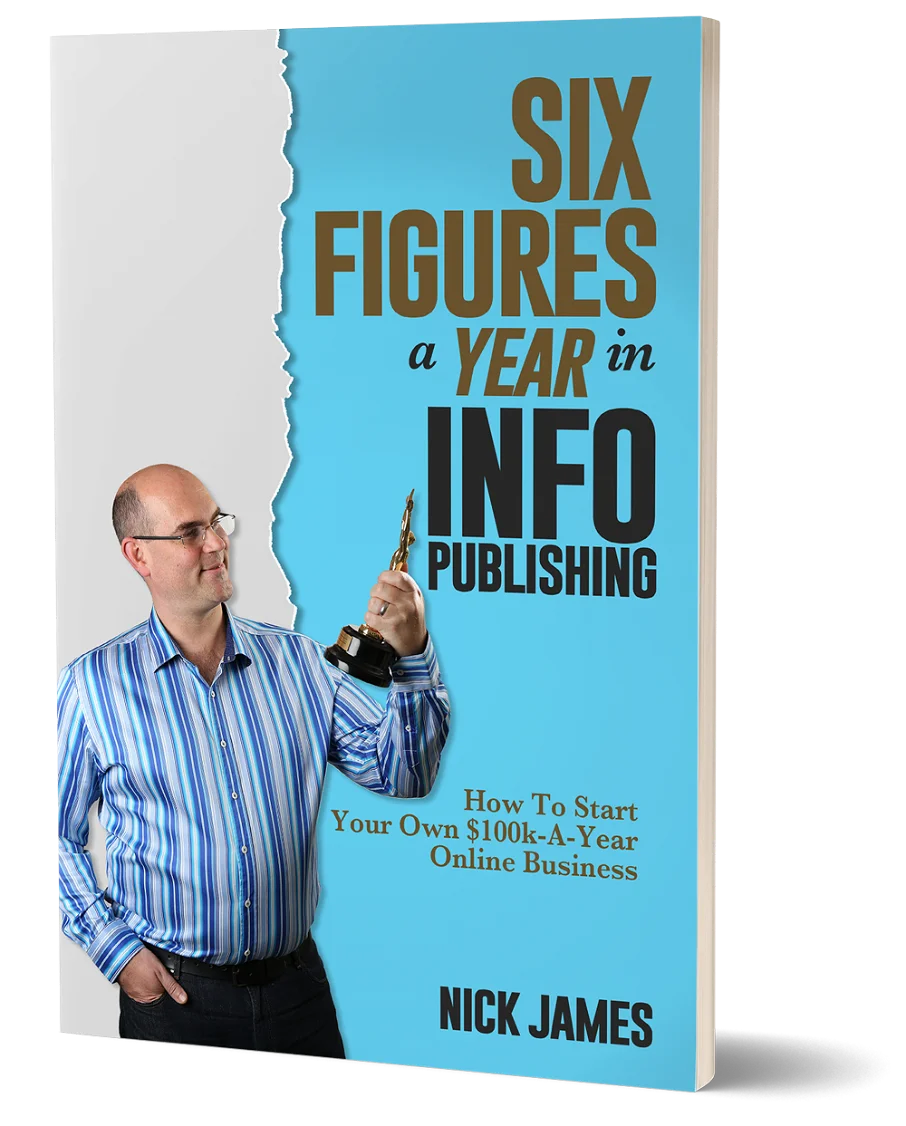
Author offers a FREE copy of this book to his next door neighbor... to prove he's not a drug dealer!
Now claim your FREE COPY.
and follow the step-by-step instructions for making the kind of money (and living the kind of lifestyle) that'll get your neighbors curtains twitching with curiosity!
Enter your details below to discover how to claim your FREE COPY of 'Six Figures A Year In Info Publishing' ...
Privacy Policy : We value your privacy. You can unsubscribe from receiving future emails with 1 click at any time.