



“I have tried something like this before, but I have always failed.” That is what a reader told me not long ago about her email list. She had built it carefully, watched it go quiet, and decided the whole thing was a lost cause.
If you have a cold email list sitting in your account right now, untouched for months, you are not looking at a failure. You are looking at a group of people who said yes to you once and never said no.
That difference matters more than it sounds. Bringing a cold list back to life does not need a clever new offer or another round of advertising. It needs three honest emails and a little patience, and you can start this week.
The List You Have Not Written Off
Most people treat a quiet segment of their list the way they treat an old gym membership. They assume it is a lost cause, so they stop thinking about it.
That assumption costs more than it looks like it does.
Every name on that list once filled in a form, clicked confirm, and chose to hear from you. Inboxes get busy. Interests shift. Your emails get buried under everything else competing for attention. None of that means the relationship is over. It means it has gone quiet, and quiet is fixable.
A useful line to draw is roughly ninety days of silence, no opens, no clicks, across about three straight months of your regular sends. Set your own line where it fits your own schedule. A weekly email and a monthly one reach that silence at different speeds.
What Chasing the Next Shiny Thing Really Costs
I worked with one customer who was building an email list with steady, recurring content, much the way a cold list gets built before it goes quiet. He was doing fine, nothing flashy, just consistent.
Then he saw a promotion for starting a YouTube channel. He dropped the list work before he had seen any real payoff from it, chasing the newer, shinier idea instead.
By the time he looked back, the small, engaged list he had spent months building had gone cold. This was one customer, not a pattern I would claim holds for everyone. But it is exactly the kind of quiet loss that happens when attention moves on before the first project ever finished paying off.
A cold email list, in other words, is often not a sign that the idea failed. It is a sign that attention moved somewhere else before the list was given a real chance to keep working.
Check What You Promised Them First
Before you send anything to a cold list, go back and look at the original page those subscribers joined from. Do not guess what you offered them. Go and check.
What did you promise? A free guide, a discount, a specific kind of update? Your first email back should match that promise closely, not a brand new pitch you thought up this morning. Match it, and the reintroduction feels familiar instead of random.
If you had this list split into interests before it went quiet, keep that split now. One generic message to everyone undoes the work that segmentation already did for you.
This single check takes about ten minutes, and it changes how the whole comeback lands with the person reading it. You can read more on this kind of small, overlooked list habit in other articles I have shared recently, if this is new territory for you.
Three Emails, Sent in the Right Order
Nick James, who has run an email list since 2001, teaches a simple three-email sequence for exactly this situation. The goal is simple: reminding people why they said yes in the first place.
Email one reintroduces you by name and reminds subscribers how they joined and what they signed up for. Then it hands them something genuinely useful, tied closely to whatever first brought them onto the list. No pitch. The goal right now is trust, not a sale.
A quiet list is not a dead list. It is waiting for one honest reason to open your email again.
Email two builds on that. It reminds them briefly who you are, since not everyone opens every message. It also points back to whatever you shared in email one, and adds something that goes a step further.
Email three shares one last piece of strong content, then invites them to reconnect somewhere else, your most recent content, a group, wherever makes sense for your business.
I run my own version of this through eShowcase, which queues the sequence up and sends it on schedule. It has become something like a man Friday for the parts of this business I would otherwise have to sit and babysit myself.
Two Mistakes That Undo a Comeback
The first mistake is pitching too soon. Send a cold email list a straight offer in email one, before reminding them who you are. Most of them will close the message without a second thought.
The second mistake is deleting the whole list before trying any of this. A quiet name is not automatically a dead one. Removing every unopened address the moment a list goes cold throws away people who might have opened your very next email.
Run the three emails first. Decide what to remove once you can see, in plain numbers, who truly stayed silent through all three messages.
What the Numbers Will Tell You
Once those three emails go out, your email software hands you the real answer. Some names will open every one and feel like new subscribers again. Fold them back into your regular schedule with confidence.
Other names will stay silent through all three. That silence is useful too. It tells you plainly who has moved on, and removing those addresses later protects your reputation with the people still reading.
Building a brand new list from scratch takes real time and usually some form of paid traffic before your first subscriber ever shows up. A cold list already sitting in your account cost you that work once. Waking it up costs three emails and a little patience, nothing more.
Understanding a customer has never really been about guessing. It is about finding out where they are stuck and helping them get unstuck. That is true whether the customer is sitting in front of you or sitting quietly in a list you have not emailed in months. Somewhere in that quiet segment are people who would tell you exactly what is going on, if you simply asked.
Pick one quiet segment this week. Send the first email. Watch who opens it, and notice how quickly a list that felt finished starts feeling alive again.
All the best, Jon

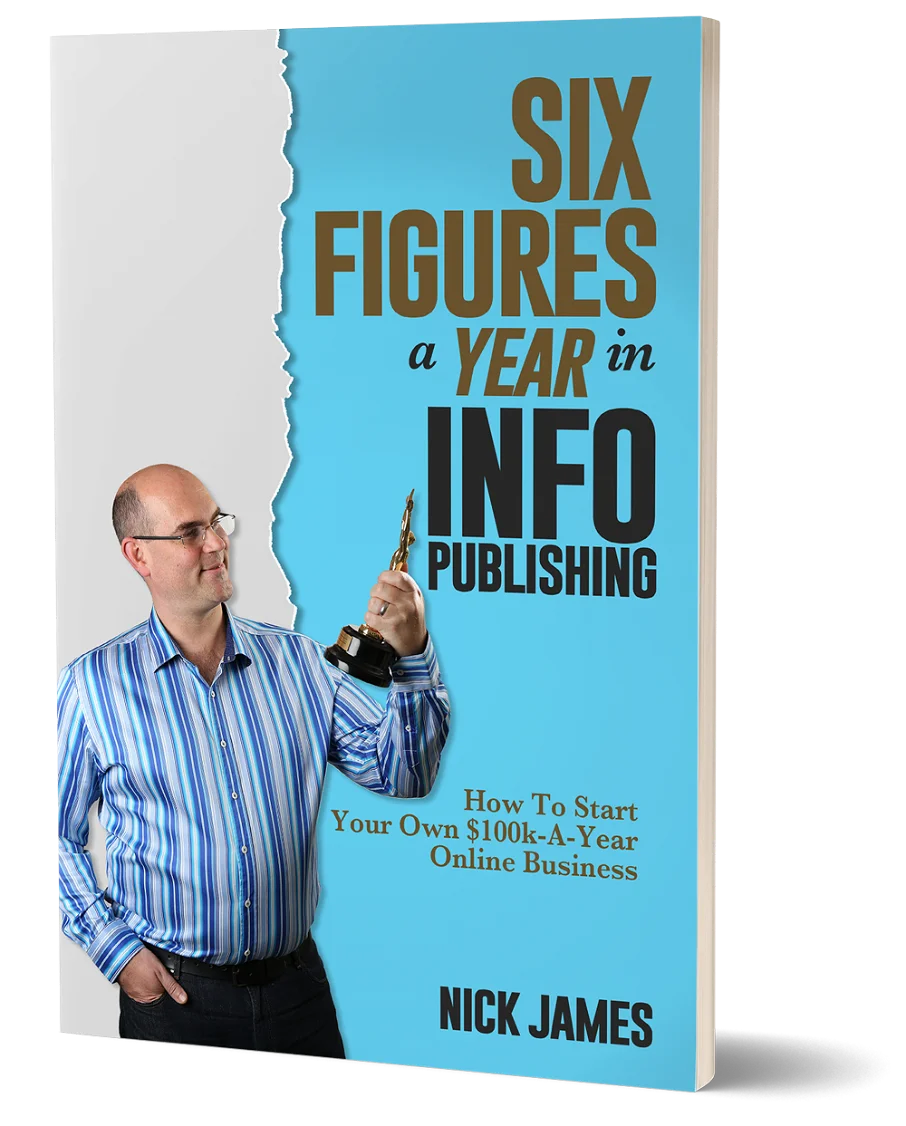
Author offers a FREE copy of this book to his next door neighbor... to prove he's not a drug dealer!
Now claim your FREE COPY.
and follow the step-by-step instructions for making the kind of money (and living the kind of lifestyle) that'll get your neighbors curtains twitching with curiosity!
Enter your details below to discover how to claim your FREE COPY of 'Six Figures A Year In Info Publishing' ...
Privacy Policy : We value your privacy. You can unsubscribe from receiving future emails with 1 click at any time.